What is GERD?
Gastro-esophageal reflux disease, acid reflux disease or GERD is a condition in which the contents of the stomach reflux back into the esophagus (food pipe). Since the stomach contents are acidic in nature, this damages the inner lining of the food pipe and causes symptoms of heartburn, pain, etc.
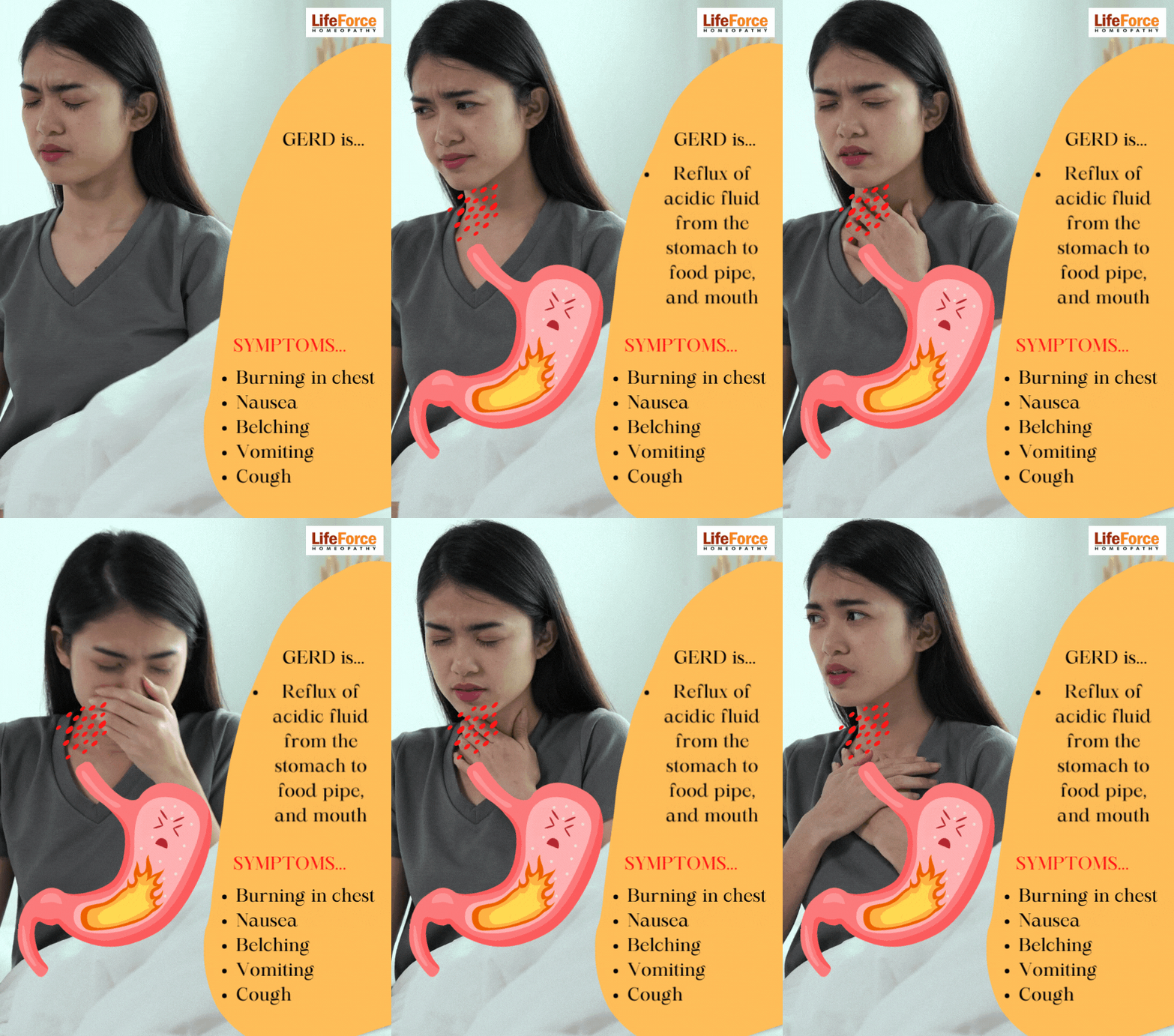 Some reflux of stomach contents is normal in all individuals but not everyone develops GERD. The main reason behind this is that only in some individuals this refluxed fluid is more acidic and remains in the esophagus for a longer duration, thus causing GERD. Dietary causes and certain faulty habits are frequently responsible for initiating this condition in individuals who are prone to develop it.
At the junction of the food pipe (esophagus) and the stomach is a muscular gateway (called lower esophageal sphincter or LES). Under normal circumstances, this sphincter remains contracted so that no contents of the stomach can go back into the esophagus but when this sphincter becomes relaxed due to any reason or is weak, it may allow the contents of the stomach to flow back into the esophagus, causing inflammation of the lining of the esophagus. There can also be many other causes of GERD, which will be discussed in detail later.
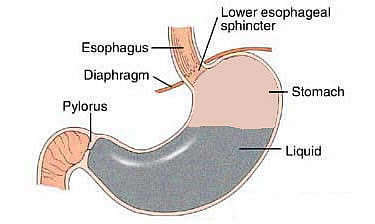
The food pipe is called the esophagus in medical language. The Oesophagus is a pipe joining the mouth to the stomach. Due to various causes, when the valve at the lower end of the esophagus loses its flexibility and elasticity, some acidic fluid from the full stomach may enter into the food pipe (esophagus) and try to enter the mouth. That is called GERD, the gastroesophageal reflux disorder.
GERD is observed in adults as well as kids. The kids may have somewhat different symptomatology.
GERD is treatable by homeopathy effectively, without adverse effects or without using habit-forming drugs.
Click here for GERD in children
.gif)
Written & Approved by-
Dr. Rajesh Shah
M.D. (Hom.)