Schwannoma or neurilemmoma is a benign (non-cancer) tumor of the covering of the nerves, called nerve sheaths. As the name (neurilemmoma) suggests, the tumor grows along the length of a nerve anywhere in the body, commonly affecting the nerves in the brain and neck. The tumor contains Schwann cells (cells producing nerve sheath) hence the tumor is named “Schwan-nnoma”.Schwannoma or neurilemmoma is a benign (non-cancer) tumor of the covering of the nerves, called nerve sheaths. As the name (neurilemmoma) suggests, the tumor grows along the length of a nerve anywhere in the body, commonly affecting the nerves in the brain and neck. The tumor contains Schwann cells (cells producing nerve sheath) hence the tumor is named “Schwan-nnoma”.
Schwannomas are slowly growing tumors and are less likely to turn malignant (cancerous). These tumors remain outside the nerve but as they grow gradually, they may produce symptoms due to pressure on the surrounding structures.
Schwannomas are the most commonly found benign tumors of the nerves in adults. Most commonly occurring schwannomas are the vestibular tumors that affect the eighth cranial nerve (nerve arising from the brain supplying the ear) i.e vestibulocochlear nerve. They can also affect the upper limbs where it usually presents with a painless soft swelling.
Cause:
Certain genetic tendencies in the family might make one prone to have the tumor. It has also been linked with conditions like neurofibromatosis, where present with one or more Schwanommas.
Symptoms:
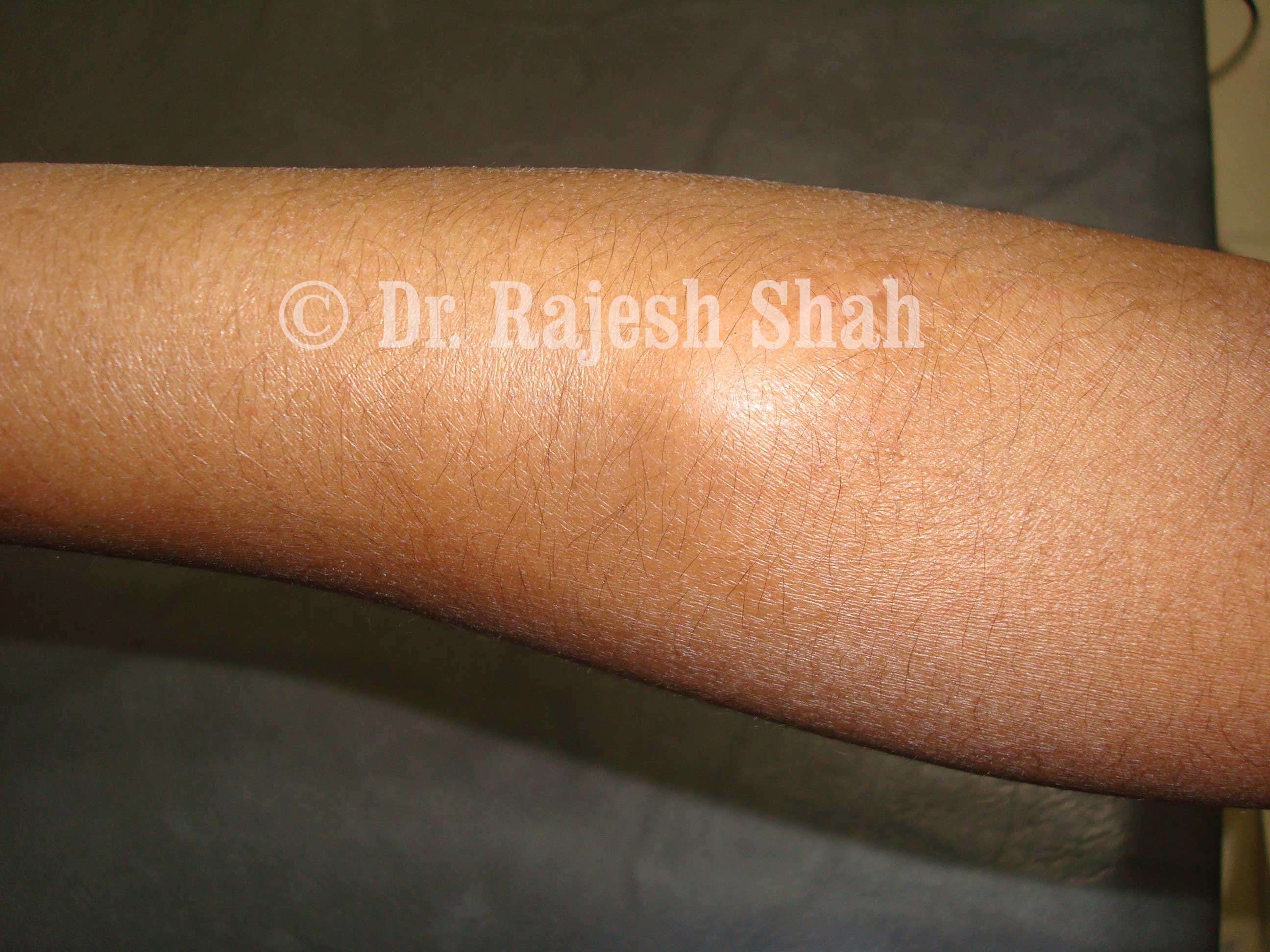 The symptoms depend upon the site where the tumor is located. If it affects the arms, one can see or feel a lump. If the tumor affects any nerve in the brain one might experience recurrent headaches, dizziness, tingling, and numbness. If the nerve supplying the ear is affected one might experience hearing deficits, tinnitus (noises in the ears). Generalized weakness, body aches are quite common. Some patients might also remain asymptomatic.
Diagnosis:
Schwannomas are best diagnosed through imaging techniques like MRI, CT scan, X-ray, and ultrasound. A biopsy may be needed to confirm the diagnosis.
Treatment:
The conventional treatment treats the tumor symptomatically (with the help of medicines) if diagnosed early. Surgery opts if the tumor is progressive. Malignant (cancerous) tumors might need a combination of surgery and radiotherapy
Homeopathic treatment aims at slowing down the further growth of the tumor, preventing the recurrence of the tumor post-surgery, and giving symptomatic relief. Homeopathy can also be opted for when the tumor is recently detected and the patient does not have any symptoms. One can think of homeopathy for treating schwannoma when the tumor is stable along with symptoms and one is not willing to go for surgery. We do not have adequate data to suggest any cure for the Schwannomas using homeopathy. At Life Force, we have recorded two cases of schwannoma under treatment.
Related conditions: Neurofibromatosis, Lipoma, Bone tumors (Ewing’s sarcoma)
Written & Approved by-
Dr. Rajesh Shah
M.D. (Hom.)