Introduction:
Type I Diabetes is also known as Insulin Dependent Diabetes Mellitus (IDDM) or Juvenile Diabetes. Diabetes mellitus is a syndrome (= set of symptoms) characterized by increased level of sugar (glucose) in the blood due to deficiency or inactivity of hormone 'Insulin' that is absolutely necessary to monitor glucose metabolism of body. By and large IDDM is an early-onset disease and is frequently seen in children though adults can also be affected by it. Diabetes is prevalent worldwide and if not attended properly, it may lead to serious complications.
 |
Causes of Diabetes 1:
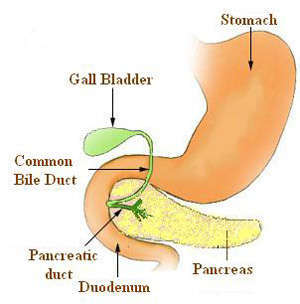
IDDM occurs as a result of decreased production of hormone 'Insulin' by the pancreas (the organ that synthesizes insulin). This occurs due to loss of the insulin-producing cells (beta cells of the islets of Langerhans) of the pancreas.
|
Auto- immunity (disturbance of immune system where body's defense mechanism starts attacking body's own organs and tissues) has been strongly suggested as a causative factor in the initiation of Type I Diabetes. Genetic factors may also have a role to play in this alteration of the immunity. Type 1 diabetes also appears to be triggered by some viral infections or less likely stress-related or environmental factors (such as exposure to certain chemicals).
Symptoms:
The classical triad of diabetes symptoms is polyuria (frequent urination), polydipsia (increased thirst) and polyphagia (excessive hunger/appetite). These symptoms may develop quite fast in children. There may also be weight loss and excessive fatigue.
 |
Homeopathic treatment
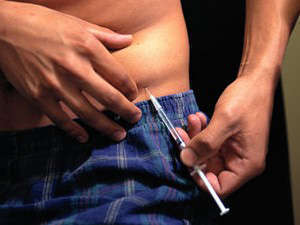
In case of Insulin Dependent Type I diabetes, the role of homeopathy is restricted to controlling the complications of diabetes such as diabetic neuropathy, nephropathy, etc. Homeopathy does not have medicines that could stimulate the pancreas to secrete insulin in cases of Type I diabetes.
|
Homeopathic treatment
In case of Insulin Dependent Type I diabetes, the role of homeopathy is restricted to controlling the complications of diabetes such as diabetic neuropathy, nephropathy, etc. Homeopathy does not have medicines that could stimulate the pancreas to secrete insulin in cases of Type I diabetes.
Click here for Diabetes Type II
Written & Approved by-
Dr. Rajesh Shah
M.D. (Hom.)